
Hash Functions Beginner
The Blake 2 and 3 Hash Algorithms
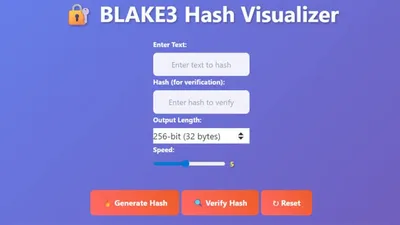
BLAKE2 and BLAKE3 have emerged as the preferred choice for new applications requiring high-performance hashing
CATEGORY
Showing 6 post(s) in this category.
BLAKE2 and BLAKE3 have emerged as the preferred choice for new applications requiring high-performance hashing

Ronald Rivest designed MD5 in 1991. By 2004 it was broken. Here's the algorithm, and why real collisions ended its cryptographic career.

Secure Hash Algorithm 1 was for years one of the most widely used cryptographic hash functions.

The SHA-2 family of cryptographic hash functions is the gold standard for digital security today.
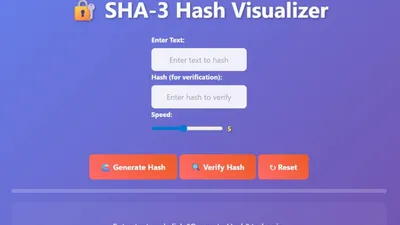
SHA-3, also known as **Keccak** (pronounced 'ketchak'), is the newest member of the Secure Hash Algorithm family standardized by NIST.
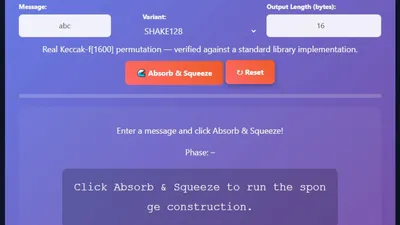
Most hash functions give you a fixed-size output no matter what you ask for. SHAKE breaks that rule: it's a hash function you can ask for any amount of output from, built from the same Keccak sponge as SHA-3.